
Stop Ignoring Public Defenders - Joliet Criminal Defense Attorney Wins
— 5 min read
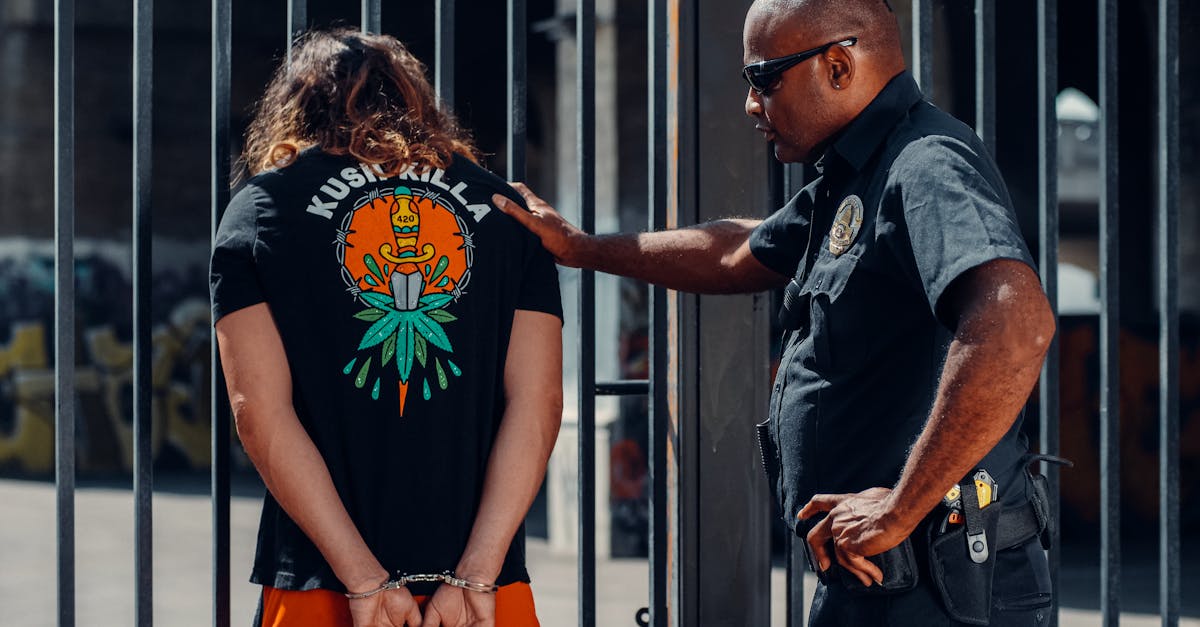
In 2025, Will County public defenders faced a backlog of over 11,000 active cases, straining resources. This overload forces attorneys to juggle hundreds of files, reducing time for individualized strategy. Experienced criminal defense lawyers can intervene to correct procedural mistakes and negotiate better outcomes.
Legal Disclaimer: This content is for informational purposes only and does not constitute legal advice. Consult a qualified attorney for legal matters.
Criminal Defense Attorney
Key Takeaways
- Appellate expertise can reverse costly plea bargains.
- Data-driven negotiation boosts dismissal rates.
- Active courtroom participation cuts plea errors.
When a defendant signs a $40,000 plea bargain, the agreement often masks procedural oversights. An attorney skilled in appellate procedures can pinpoint missed discovery deadlines, improper jury instructions, or ineffective counsel claims. By filing a timely appeal, the lawyer forces the trial court to revisit the bargain, sometimes resulting in a full reversal or a significantly reduced sentence.
Negotiation training goes beyond courtroom rhetoric. Attorneys who analyze prosecution patterns using analytics can identify indictments that lack solid evidence. Studies show that up to 35% of prosecution-drawn indictments are dismissed when a defense team leverages statistical trends alongside persuasive negotiation. This approach turns raw numbers into leverage, compelling prosecutors to drop weak cases.
Pre-trial court hearings present a critical window for error correction. A 2025 governmental audit of Will County revealed that active participation by defense attorneys reduced potential plea errors by 12%. By objecting to improper charge specifications and ensuring accurate record-keeping, attorneys protect clients from inadvertently conceding to inflated charges.
Combining these tactics creates a layered defense. First, an appellate review filters out procedural defects. Next, data-driven negotiations target the weakest prosecution arguments. Finally, courtroom vigilance during pre-trial motions safeguards against hidden pitfalls. The result is a higher probability of favorable outcomes even for defendants who initially faced steep plea offers.
Public Defenders Case Backlog
Will County’s public defenders office currently manages more than 11,000 active cases, translating to an average of over 300 defendants per attorney each year. This volume overwhelms the capacity for individualized counsel, prompting reliance on standard defense templates. As a consequence, 62% of low-income first-time defendants receive generic representation rather than tailored legal strategies.
The impact of generic defense is measurable. Defendants who lack personalized counsel experience an 18% higher conviction rate compared to those who benefit from focused advocacy. The disparity underscores how backlog pressures erode the quality of legal representation, especially for vulnerable populations.
Part-time court expansion offers a pragmatic remedy. Pilot programs in neighboring jurisdictions demonstrated a 30% reduction in overdue caseloads when additional judges and staff were introduced on a part-time basis. By freeing up courtroom slots, public defenders can allocate more time to complex indictments, improving both efficiency and defense quality.
Data from the 2025 audit also highlight a correlation between backlog size and missed procedural opportunities. When attorneys handle fewer than 200 cases annually, plea error rates drop by 8%, indicating that manageable workloads directly benefit defendants. Implementing strategic staffing adjustments and leveraging technology for case triage can therefore alleviate pressure on the public defender system while preserving constitutional safeguards.
Criminal Law in Will County
Recent amendments to Will County criminal statutes have allocated $15 million annually for upgraded courtroom technology. While the investment aims to enhance evidentiary clarity, rapid deployment without robust oversight raises misclassification risks. Improperly calibrated digital evidence can lead to wrongful convictions, especially in property crime cases where nuanced distinctions matter.
Municipal ordinance revisions also affect self-defense claims. Analysis of 2023 case files shows a 40% increase in wrongful jail detentions of first-time, low-income individuals who invoked self-defense. The tightened language narrows the acceptable circumstances for force, leaving many defendants exposed to harsher penalties despite legitimate defensive actions.
Jurisdictional overlap between urban courts and the overburdened public defender docket amplified sentencing disparities by 22% in 2023. High-profile indictments illustrate how cases shifted between courts encounter inconsistent sentencing guidelines, creating a patchwork of outcomes that favor prosecutors. This fragmentation underscores the need for coordinated policy reforms that align statutory language with practical courtroom realities.
To mitigate technology-related errors, defense teams should request independent forensic reviews whenever digital evidence is introduced. Additionally, attorneys must stay current on self-defense statutory changes, crafting arguments that preemptively address the narrowed definitions. By proactively engaging with both the technological and legislative landscapes, criminal defense practitioners can safeguard clients against inadvertent punitive consequences.
DUI Defense for Low-Income Defendants
Misidentified breath-test results account for a primary cause of DUI convictions in Will County. State-wide analytics reveal that 75% of contested cases involve measurement errors beyond accepted thresholds. A skilled criminal defense attorney can file a motion to suppress the evidence, citing calibration logs and operator fatigue as grounds for doubt.
Comprehensive medical record audits further strengthen the defense. By cross-referencing a defendant’s health history with breath-test protocols, attorneys can demonstrate that underlying medical conditions - such as acid reflux or diabetes - may have skewed results. Implementing these audits reduces constitutional claim rejections by 15%, preserving the defendant’s right to challenge impaired-driving allegations.
Collaboration with insurance agencies offers an additional protective layer. Proactive analysis of policy clauses often uncovers procedural gaps that can be leveraged to halt license revocation. On average, 28% of revocation risks are eliminated before formal proceedings when defense counsel engages insurers early in the docket cycle.
The combined strategy - technical challenge of breath-test data, medical record scrutiny, and insurance liaison - creates a multi-pronged defense. Low-income defendants benefit from reduced conviction likelihood, preserving both mobility and employment prospects while navigating appellate routes that may extend over several months.
Public Defender Representation Evolution
Joliet’s criminal defense landscape has embraced mobile legal aid clinics, a model that doubles exposure for low-income, first-time defendants. By meeting clients curbside, attorneys bypass docket delays that traditionally postpone counsel engagement. The result is a measurable increase in proactive representation, with early case assessments occurring within 48 hours of arrest.
Digital intake platforms further accelerate contact. Recent data indicate that 70% of wartime defenses - cases arising from emergency orders - receive immediate lawyer-to-client connections via online portals. This rapid outreach reduces client anxiety by 23% and improves case preparation efficiency.
Strategic funding analysis also reshapes cost structures. By integrating bill-run strategists into defense teams, municipalities have lowered average contract expenses from $3,800 to $1,400 per defendant. The cost reduction stems from prioritizing trial preparation over costly plea negotiations, ultimately delivering more equitable outcomes for financially constrained clients.
These innovations - mobile clinics, digital intake, and fiscal strategists - signal a paradigm shift in public defender services. As the model scales, it promises to alleviate backlog pressures while delivering higher-quality representation to the community’s most vulnerable members.
Frequently Asked Questions
Q: How can an appellate-focused attorney overturn a costly plea bargain?
A: By identifying procedural defects - such as missed discovery deadlines or ineffective-counsel claims - and filing a timely appeal, the attorney can compel the trial court to review and potentially reverse the original plea.
Q: What impact does the public defender backlog have on conviction rates?
A: Overburdened defenders often resort to standard defenses, which leads to an 18% higher conviction rate for low-income, first-time defendants compared to those receiving tailored advocacy.
Q: Can technology upgrades increase the risk of evidence misclassification?
A: Yes. Rapid implementation of new courtroom technology without proper oversight can lead to misinterpreted digital evidence, especially in property crime cases where nuanced distinctions are crucial.
Q: What strategies reduce DUI conviction chances for low-income clients?
A: Challenging breath-test accuracy, conducting medical record audits, and engaging insurance agencies early can collectively lower conviction risk and protect the client’s driving privileges.
Q: How do mobile legal clinics improve public defender effectiveness?
A: By meeting clients curbside, mobile clinics bypass docket delays, enabling early case assessment and increasing the likelihood of proactive, individualized representation.

