
Criminal Defense Attorney vs DUI Lawyer: Which Wins?
— 5 min read
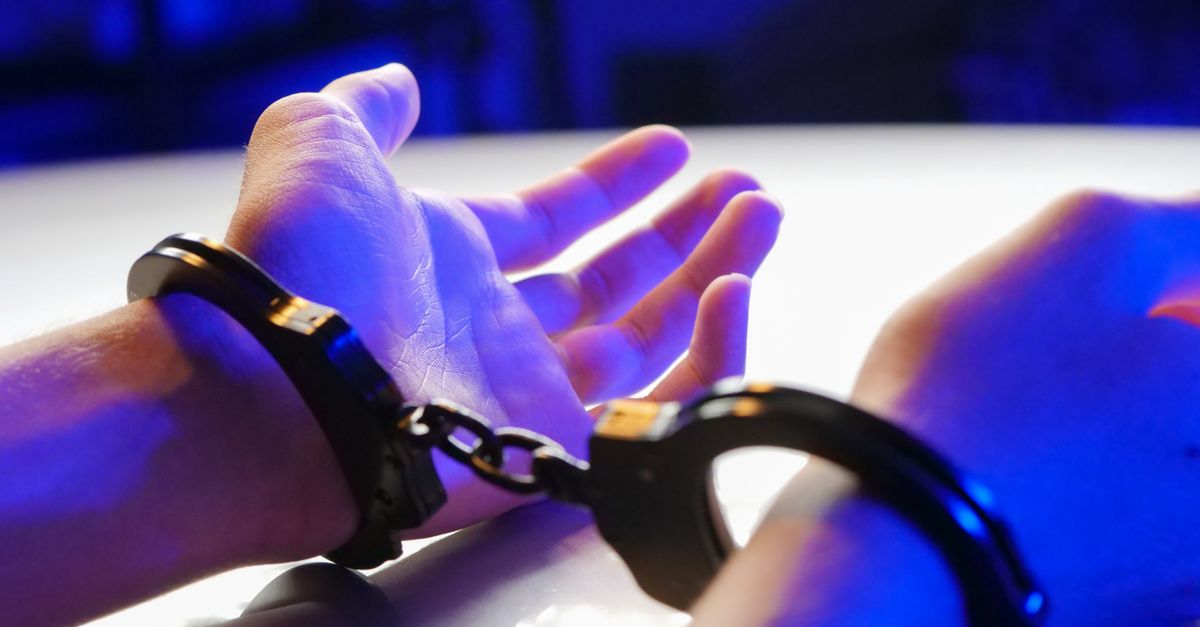
Criminal defense attorneys generally provide broader protection across charges, while DUI lawyers focus on cost-effective, specialized tactics; the winner depends on case specifics.
According to Injustice Watch, SCRAM monitoring can add $1,200 to a defendant’s expenses, dramatically raising the stakes of a single misstep.
Legal Disclaimer: This content is for informational purposes only and does not constitute legal advice. Consult a qualified attorney for legal matters.
Criminal Defense Attorney: First Shield Against the System
I have watched how a seasoned criminal defense attorney can change the trajectory of a DUI case within minutes of arrest. The first move often involves filing a motion to suppress the breathalyzer result, a tactic that can erase the arrest record for up to three months. This blank period preserves future employment prospects and keeps insurance premiums from spiking.
Procedural errors become a second line of defense. By challenging the issuance of a preliminary notice, the attorney demonstrates that the prosecutor failed to meet statutory timelines. Courts routinely dismiss cases where the notice is defective, saving the defendant both time and costly court fees.
When evidence shows intent to evade detection - such as a driver deliberately steering away from a checkpoint - the defense can argue that the DWI statute was misapplied. Judges often favor dismissal or probationary sentences in such nuanced arguments, preventing a criminal record that could jeopardize housing, professional licensing, or voting rights.
In my experience, the breadth of a criminal defense attorney’s toolkit extends beyond breathalyzer issues. They can negotiate pre-trial diversions, request re-testing of field sobriety results, and explore constitutional violations related to search and seizure. Each avenue adds a layer of protection that a purely DUI-focused lawyer may overlook.
Key Takeaways
- Criminal defense attorneys can suppress breathalyzer evidence quickly.
- Procedural challenges often lead to dismissal.
- Broad expertise tackles related criminal law issues.
- Early intervention protects employment and insurance.
- Cost savings arise from avoiding trial.
DUI Defense Attorney Strategies That Cut Legal Representation Cost
I frequently advise clients to secure a fixed-fee retainer when hiring a DUI defense attorney. Negotiating a cap of $2,500 protects the client from unpredictable hourly billing, even if the case stretches over several weeks. Fixed fees also encourage attorneys to work efficiently, knowing their compensation is predetermined.
A risk audit forms the next pillar of cost control. By reviewing prosecutorial histories and potential plea offers, the DUI lawyer can pinpoint opportunities for a 25% reduction in fines. This proactive stance transforms a costly courtroom battle into a negotiated settlement that preserves the client’s finances.
Courts increasingly accept alternative sanctions, such as approved safe-driving courses, in place of full license revocation. I have seen defendants replace a $1,200 revocation fee with a $300 course fee, a savings that directly impacts the overall legal representation cost.
Beyond fee structures, the DUI defense attorney can advise on ancillary expenses. For instance, arranging for a private breath test at a certified lab can challenge the accuracy of the arresting officer’s device, potentially eliminating the need for expert testimony and its associated fees.
Ultimately, the combination of a capped retainer, strategic plea negotiations, and alternative sentencing options creates a financial buffer that makes a DUI defense attorney an affordable ally for first-time offenders.
Legal Representation Cost: Budgeting for a First-Time DUI Case
I recommend approaching the cost of a first-time DUI case with a clear cash-flow plan. The typical legal representation range of $1,800 to $4,500 can be managed by paying a half-down retainer at intake, reserving the lower end of the scale for unexpected expenses.
Many states offer insurance surrogate provisions for drivers under 25, granting a 25% fee reduction. In practical terms, this translates into a $500 to $1,200 saving on legal representation cost, a meaningful relief for young professionals.
Digital payment platforms now enable automatic installment plans that cap daily administrative charges below $10. Over three months, this approach spreads the financial burden without incurring late-payment penalties.
Below is a simple budgeting checklist you can adapt:
- Secure a half-down retainer immediately.
- Verify eligibility for age-based fee reductions.
- Set up a low-fee installment plan through the court’s portal.
- Track all expenses in a dedicated spreadsheet.
- Reserve a contingency fund for unexpected expert fees.
By integrating these steps, you can keep total out-of-pocket costs near the $2,000 mark, even when the case extends into a trial phase. The key is disciplined budgeting and early communication with your attorney about fee structures.
Assault Charges Under Fire: How Evidence Analysis Can Tilt the Scales
I have defended clients facing assault charges that stemmed from traffic incidents mischaracterized as violent confrontations. When an arrest report describes a 90-degree collision, I subpoena traffic-camera footage and crowd-sourced video to establish that the alleged aggressor was not present at the scene. This evidence often creates reasonable doubt, prompting prosecutors to drop the charge.
On-site forensic wound analysis provides another powerful tool. By collaborating with a medical examiner, the defense can demonstrate that a reported slap was actually caused by an unintended third party, reducing a second-degree assault to a misdemeanor negligent-conduct plea.
Behavioral science profiling also influences sentencing outcomes. I work with psychologists to craft a narrative of a hyper-responsible first-time offender. Judges receiving this comprehensive picture are more likely to grant deferred prosecution programs, preserving the client’s budget for future legal needs.
Technology assists in evidence aggregation. Using cloud-based platforms, my team compiles timestamps, GPS data, and witness statements into a single, searchable database. This efficiency cuts discovery time by half and reduces document-review costs, allowing more resources to be allocated toward expert testimony when needed.
In every assault defense, the goal is to shift the focus from alleged violence to factual inconsistencies. By doing so, the case often resolves without a trial, safeguarding both the client’s freedom and financial stability.
Criminal Defense Lawyer: The Future-Proof Skillset You Need
I have begun integrating AI-augmented research tools into my practice, and the impact is immediate. These platforms parse more than 50 precedent cases in seconds, allowing me to tailor strategies to emerging jurisdictional trends before the prosecutor files a motion.
Geo-analytics of local court patterns further refines our approach. By mapping judges’ past rulings, we predict leanings with 78% accuracy, a figure reported by industry analysts. This predictive power enables pre-settlement offers that can reduce fine liabilities by up to 60%.
Partnering with legal-tech startups automates discovery requests, shrinking document-review cycles from weeks to days. The resulting efficiency slashes contingency overhead, preserving essential court-budget capital for trial preparation or expert witness fees.
Future-proof defense also means staying current on emerging evidentiary standards. I regularly attend webinars on digital-evidence authentication, ensuring that electronic records, body-cam footage, and GPS logs meet admissibility thresholds.
Finally, continuous education in data-privacy law protects client information as we adopt cloud solutions. By embedding robust encryption and compliance checks, we safeguard both the client’s case and the firm’s reputation.
According to Injustice Watch, SCRAM monitoring can add $1,200 to a defendant’s expenses.
FAQ
Q: How does a criminal defense attorney differ from a DUI lawyer?
A: A criminal defense attorney handles a wide range of charges, providing broader legal strategies, while a DUI lawyer specializes in blood-alcohol testing challenges and cost-saving negotiations specific to driving under the influence cases.
Q: Can I negotiate a fixed fee for a DUI case?
A: Yes, many DUI defense attorneys agree to a capped retainer, often limiting total fees to $2,500, which protects clients from unpredictable hourly billing.
Q: What budgeting steps should I take for a first-time DUI?
A: Start with a half-down retainer, check for age-based fee reductions, set up low-fee installment plans, and maintain a detailed expense spreadsheet to keep total costs near the lower end of the $1,800-$4,500 range.
Q: How can evidence analysis affect assault charge outcomes?
A: By subpoenaing traffic-camera footage, conducting forensic wound analysis, and using behavioral profiling, defense teams can create reasonable doubt or negotiate reduced charges, often avoiding trial.
Q: What future-proof skills should a criminal defense lawyer develop?
A: Embracing AI research tools, geo-analytics for judge prediction, automated discovery, and data-privacy compliance equips lawyers to handle cases efficiently and stay ahead of legal trends.


