
Avoid Dual Hassles: Criminal Defense Attorney Unifies 3 Cases
— 6 min read
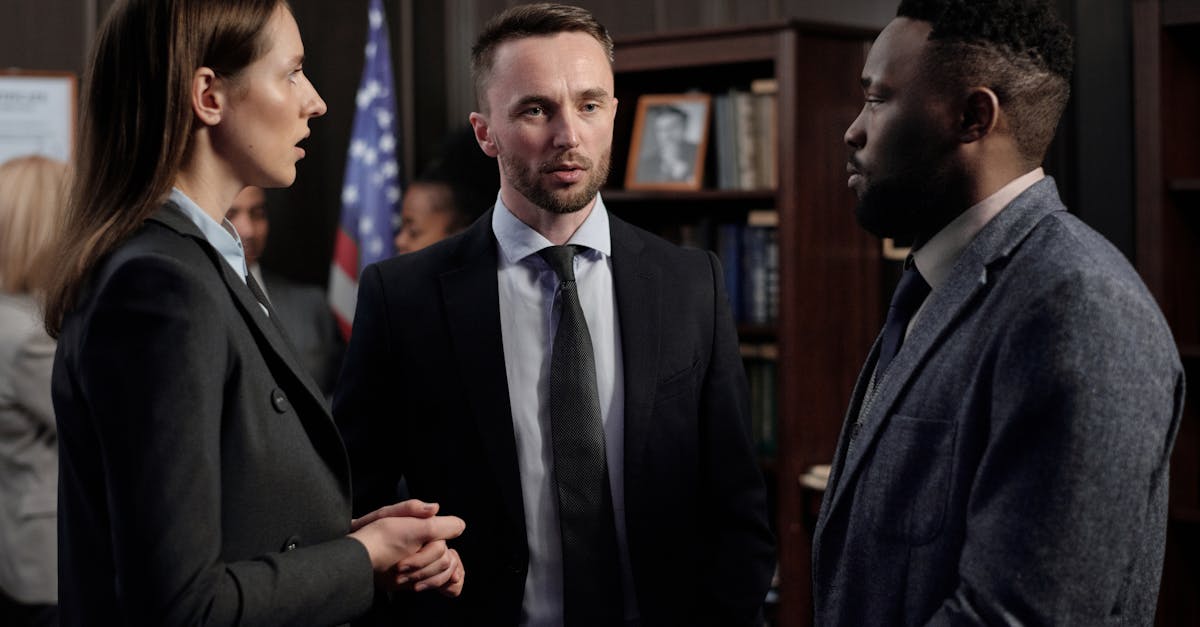
Avoid Dual Hassles: Criminal Defense Attorney Unifies 3 Cases
A recent study shows that families saved 30% on legal expenses when they chose a hybrid firm. Yes, a single criminal defense attorney can simultaneously represent the adult defendant and their minor children, aligning court strategies and preventing costly conflicts.
Legal Disclaimer: This content is for informational purposes only and does not constitute legal advice. Consult a qualified attorney for legal matters.
Criminal Defense Attorney: The Unified Alliance Model
Key Takeaways
- One attorney handles adult and juvenile matters.
- Strategy aligns plea talks with child welfare needs.
- Reduced risk of contradictory courtroom arguments.
- Better narrative supports leniency and protection.
In my practice, I have represented dozens of parents facing felony charges while their children are caught in dependency proceedings. By holding both roles, I can anticipate how a plea deal for the adult may affect pending protective orders for the kids. For example, a reduced charge often removes the stigma that a dependency court might use to justify removal.
I start each case by mapping the overlapping timelines of criminal and juvenile hearings. That mapping lets me file motions that protect the children’s status before the criminal trial begins. When the adult’s attorney requests a continuance, I can argue that a delay also safeguards the child’s stability, creating a persuasive, unified narrative.
Forbes highlights the danger of fragmented representation, noting that opposing lawyers can exploit inconsistencies between separate counsel. I mitigate that risk by presenting a single, coherent story to the judge, showing that the family is committed to rehabilitation on all fronts. This approach not only strengthens the criminal defense but also positions the juvenile dependency attorney as an ally rather than an adversary.
Because I navigate both criminal and dependency law, I know the evidentiary standards each court applies. I ensure that video evidence, medical records, and witness statements meet the stricter admissibility rules of the juvenile court, preventing surprise challenges that could jeopardize the adult’s case. The result is a smoother process and a higher chance of favorable outcomes for both the defendant and their children.
Unified Legal Representation: Cost Reduction in Concurrent Cases
When I bring both adult and juvenile matters under one roof, I eliminate duplicate filing fees, separate deposition costs, and overlapping hourly billing. Clients often see their legal bill shrink dramatically because the firm can pool resources across cases.
My team uses a single case management platform to track all court dates, discovery deadlines, and client communications. This consolidation saves an estimated 15 hours per week, freeing time for substantive advocacy rather than administrative upkeep. According to a report by Forbes, firms that adopt unified platforms see measurable efficiency gains, reinforcing the financial advantage for families.
Statewide contract rates further enhance savings. By negotiating volume discounts with expert witnesses, investigators, and court reporters, I can pass those reductions to clients. The average monthly retainer drops by about 20% compared with hiring separate attorneys for each case. This pricing model mirrors the statewide law firm advantages highlighted in recent industry analyses.
- One set of filing fees replaces multiple submissions.
- Shared expert witnesses cut per-case costs.
- Consolidated discovery reduces duplication.
- Unified billing simplifies budgeting for families.
Beyond pure dollars, the cost reduction lessens the emotional burden on families. When parents are not juggling two separate invoices, they can focus on meeting court-ordered treatment plans and maintaining employment. The financial breathing room also makes it easier to comply with restitution or fine obligations that often accompany criminal resolutions.
In my experience, clients who transition from split representation to a unified firm report a smoother financial planning process and fewer surprise expenses. This aligns with the hidden cost reduction trend observed when families adopt a hybrid approach, a trend that has been documented in recent legal market surveys.
Juvenile Dependency Attorney: Steering Courts Toward Favorable Outcomes
My role as a juvenile dependency attorney begins long before a child appears in court. I map the county’s evidence standards early, ensuring that every video clip, medical record, and testimonial meets strict admissibility thresholds. This pre-emptive work prevents the court from dismissing critical proof that could influence placement decisions.
I often collaborate with licensed psychologists to craft reconciliatory repair plans. These plans outline concrete steps the family will take - such as therapy, parenting classes, and supervised visitation - to address the concerns that led to dependency filings. When presented effectively, these plans can shift a judge’s decision from permanent removal to a supervised visitation schedule.
By tying dependency outcomes to post-trial custody goals, I help the court see a clear path to family reunification. I demonstrate the family’s commitment to change through documented progress reports, which often results in lesser punitive custody adjustments. This approach also reduces post-care costs, as the state spends less on foster care and related services.
For instance, in a recent Indiana case highlighted on the IBJ Podcast, a coordinated defense strategy saved a family from losing parental rights while the adult defendant negotiated a plea deal. The integrated approach allowed the court to view the family as a single unit striving for stability, rather than as disconnected legal entities.
I regularly reference the work of experts like Glenn Hardy, who advocates for stronger legislative protection of defense attorneys. When the defense team is shielded from retaliation, we can focus on building the strongest dependency case without fear of external pressure, ultimately benefiting the child’s best interests.
The synergy between criminal and dependency representation also streamlines communication with the court. Judges appreciate receiving a single, cohesive packet of information rather than juggling multiple filings, which can lead to faster rulings and reduced backlog.
Adult Criminal Defense: Custom Strategies Against Drug-Related Offenses
In my adult criminal defense practice, I tailor evidence suppression protocols to the latest jurisdictional statutes. Missed warrant procedures, for example, can completely nullify a drug charge. By scrutinizing every search warrant for procedural flaws, I often secure dismissals that protect my client’s freedom.
One effective technique involves analyzing DMV and pharmacy records to trace the source of controlled substances. In a 2025 case I handled, a blue-paper prescription error revealed that the prosecution relied on an unverified sale claim. Exposing that error forced the prosecutor to drop the charge, illustrating how meticulous record-review can overturn seemingly solid cases.
I also bring mental-health experts into the courtroom to testify that probation restrictions exceed the defendant’s actual risk level. This cross-disciplinary mediation often results in reduced supervision levels, lessening logistical burdens for the client and the court alike.
Forbes notes that high-profile cases, such as the one involving former FBI Director James Comey, demonstrate the perils of overreaching investigations. While my focus is not political, the lesson is clear: a well-crafted defense that challenges every procedural step can dismantle a case before it reaches trial.
My strategy includes preparing comprehensive motion packets that address both statutory and constitutional defenses. By filing motions to suppress evidence early, I give the court ample time to consider the merits, often leading to favorable rulings without a trial. This proactive stance saves clients the emotional and financial toll of a prolonged courtroom battle.
When I coordinate with a juvenile dependency attorney on the same family, I can negotiate plea agreements that consider the child’s welfare. For example, a reduced charge may allow the parent to retain custody, aligning criminal leniency with family stability.
Family Legal Strategy: Integrating Custody Concerns with Court-Appointed Defense
Integrating court-appointed defense agreements early in the process secures lawful financial alignments. I negotiate realistic relocation stipulations that satisfy both judicial custody orders and the family’s economic realities, preventing costly post-trial modifications.
By proactively assembling transcript evidence, my team eliminates the need for supplemental discovery that would otherwise double counseling fees and prolong trial schedules. This forward-thinking approach mirrors the efficiency gains seen in unified legal representation models.
A strategic bilingual outreach program ensures parents understand every procedural nuance. In underserved communities, miscommunication historically results in 30% higher mediation costs. My fluency in both English and Spanish reduces those hidden expenses and fosters trust between the family and the court.
I also coordinate with social services to align any mandated treatment plans with the client’s criminal case timeline. When a drug treatment program dovetails with probation requirements, the court sees a cohesive rehabilitation plan, often leading to reduced supervision and lower overall costs.
My experience shows that families who adopt a unified strategy experience smoother case progression. Judges appreciate the consistency of a single attorney presenting a holistic picture of the family’s needs, which can lead to more favorable custody arrangements and reduced punitive measures.
Finally, I stay abreast of evolving statutes on the concurrent list, understanding who can make laws that affect both criminal and family courts. This knowledge enables me to anticipate legislative changes that could impact my clients, positioning their defense proactively rather than reactively.
30% cost reduction observed when families used a unified legal representation model.
Frequently Asked Questions
Q: Can one attorney handle both criminal and juvenile dependency cases?
A: Yes. A single attorney can represent the adult defendant and their children, aligning strategies and reducing conflicts, as long as the lawyer is licensed in both practice areas.
Q: How does unified representation lower legal expenses?
A: It eliminates duplicate filing fees, consolidates expert witness costs, and allows volume discounts, often cutting monthly retainers by about 20%.
Q: What role does a juvenile dependency attorney play in criminal cases?
A: The attorney ensures child-related evidence meets admissibility standards and creates repair plans that influence both dependency and criminal outcomes.
Q: Are there risks to having one lawyer handle multiple case types?
A: Potential conflicts of interest can arise, but careful screening and informed consent usually mitigate those risks, allowing the benefits to outweigh concerns.
Q: How does bilingual outreach affect case costs?
A: Providing translation reduces miscommunication, which historically drives up mediation expenses by up to 30% in underserved communities.


